Manufacturer mobility rebates
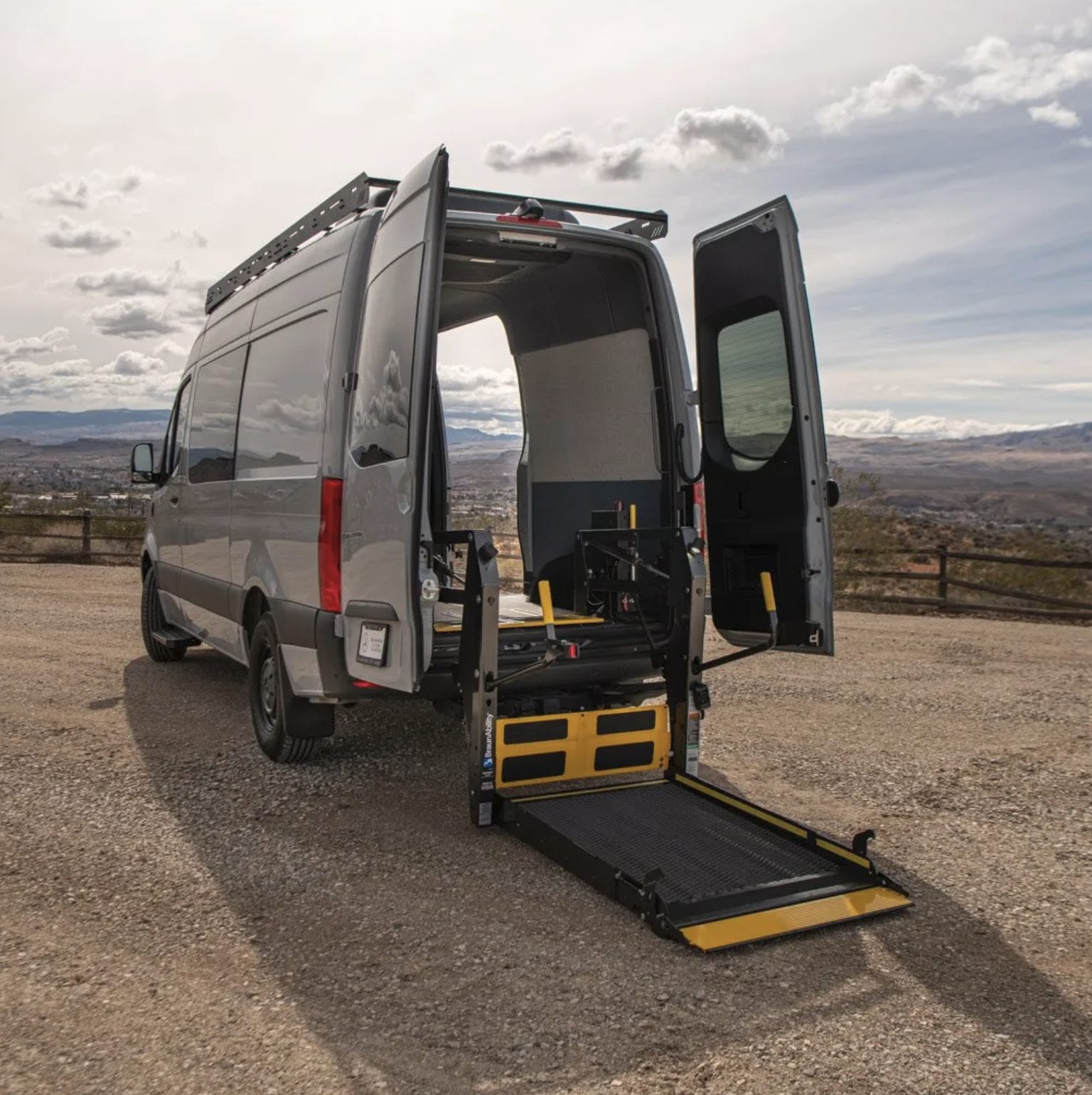
Toyota, Chrysler, Honda and Ford each run a program that reimburses part of the cost of adaptive equipment fitted to a new vehicle. They're claimed after purchase and within a limited window, and the amounts and rules differ by manufacturer and change from year to year.
This is free money that goes unclaimed constantly, usually because nobody mentioned it at the time of sale. We will — ask us to check which program applies to the vehicle you're considering before you take delivery.
Financing
Some lenders write longer terms for mobility vehicles than for ordinary cars, on the reasoning that the conversion holds value differently. Credit unions are often worth a call before a dealer's finance desk.
Worth knowing: the conversion and the base vehicle can sometimes be financed differently, and some funding awards pay the conversion only. Get the two numbers separated before you borrow against a single total.
Non-profit grants
National and regional organizations award grants toward accessible vehicles, often tied to a specific diagnosis, to veterans, or to children. Application cycles are periodic and the awards are competitive, so they reward starting early and applying to several.
Ask us what we've seen work for situations like yours. We won't pretend to know every program, but we know some of them.
What insurance usually doesn't cover
Health insurance and Medicare generally do not pay for vehicle modification — it's treated as transportation rather than durable medical equipment. Medicaid waiver programs vary by state and occasionally do.
If a vehicle was damaged in an accident, though, the conversion is part of its value. Make sure your policy reflects what the conversion cost, not just the base vehicle.